

How does HRV vary in different sleep positions?
As a supplier specializing in HRV (Heat Recovery Ventilation) and ERV (Energy Recovery Ventilation) systems, I've always been intrigued by the intricate relationship between human health, sleep quality, and the performance of ventilation systems. One aspect that has recently caught my attention is how Heart Rate Variability (HRV) varies in different sleep positions. In this blog, I'll delve into the scientific basis of HRV, explore how sleep positions can influence it, and discuss how our HRV & ERV systems can play a role in optimizing sleep and overall well - being.
Understanding Heart Rate Variability (HRV)
Heart Rate Variability refers to the variation in the time intervals between consecutive heartbeats. It is not just a random fluctuation but an important physiological marker that reflects the balance between the sympathetic and parasympathetic branches of the autonomic nervous system (ANS). The sympathetic nervous system is responsible for the "fight - or - flight" response, which increases heart rate, while the parasympathetic nervous system, often associated with the "rest - and - digest" state, slows down the heart rate.
A high HRV generally indicates a healthy and flexible ANS, which is better able to adapt to different stressors and maintain physiological homeostasis. On the other hand, a low HRV is linked to various health issues, including cardiovascular diseases, stress, and poor sleep quality. Monitoring HRV can provide valuable insights into a person's overall health and well - being, especially during sleep when the body is in a state of rest and recovery.
The Impact of Sleep Positions on HRV
Sleep positions can have a significant impact on HRV. There are three main sleep positions: supine (lying on the back), lateral (lying on the side), and prone (lying on the stomach).
Supine Position
When a person sleeps in the supine position, gravity causes the internal organs to rest evenly on the diaphragm. This can lead to a more regular breathing pattern, which in turn may have a positive effect on HRV. A study published in the Journal of Clinical Sleep Medicine found that in the supine position, the heart experiences less mechanical stress compared to other positions. The body is in a relatively stable state, and the parasympathetic nervous system may be more dominant, leading to an increase in HRV. However, for some people, the supine position can also cause snoring and sleep apnea, which can disrupt the normal breathing pattern and decrease HRV.
Lateral Position
Sleeping on the side is often considered one of the healthiest sleep positions. In the lateral position, the airway is less likely to be obstructed, reducing the risk of snoring and sleep apnea. This allows for more efficient gas exchange during sleep, which can improve oxygenation and positively impact HRV. Additionally, the lateral position can relieve pressure on the heart and other internal organs, promoting better blood circulation. Research has shown that sleeping on the left side may have a particular advantage as it allows the heart to pump blood more effectively due to its anatomical position.
Prone Position
The prone position is the least common sleep position and is generally not recommended for optimal health. In the prone position, the chest is compressed, which can restrict breathing and increase the workload on the heart. This can lead to a decrease in HRV as the body has to work harder to maintain normal physiological functions. Moreover, sleeping on the stomach can also cause neck and back pain, further disrupting the quality of sleep.
The Role of HRV & ERV Systems in Optimizing Sleep
As a supplier of HRV & ERV systems, I understand the importance of creating a healthy indoor environment for sleep. Our ventilation systems are designed to provide fresh, clean air while recovering heat or energy from the exhaust air. This not only helps to maintain a comfortable temperature and humidity level but also improves air quality by removing pollutants, allergens, and odors.
A well - ventilated bedroom can have a positive impact on HRV and sleep quality. When the air is fresh and clean, the body can breathe more easily, reducing the stress on the respiratory and cardiovascular systems. This can contribute to a more regular breathing pattern and an increase in HRV. For example, our Fresh Air Ventilator is specifically designed to provide a continuous supply of fresh air, ensuring that the indoor air quality remains high throughout the night.
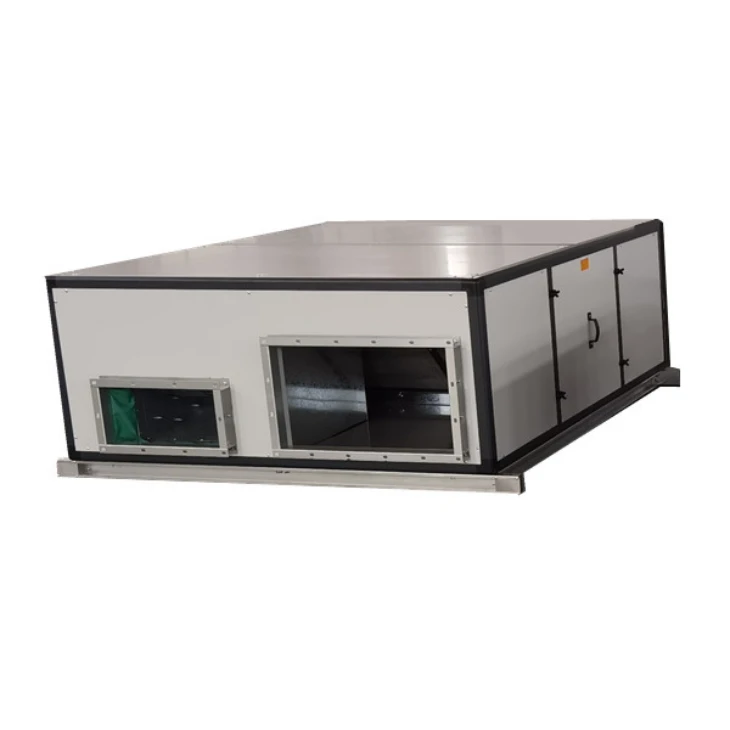

In addition, our Ceiling Mounted Air Handling Unit is an excellent choice for larger bedrooms or multi - room applications. It can effectively distribute fresh air and maintain a uniform temperature and humidity level, creating an ideal sleep environment. By improving the indoor air quality and comfort, our HRV & ERV systems can help to optimize HRV and promote better sleep.
Conclusion
In conclusion, sleep positions play a crucial role in determining HRV, which is an important indicator of overall health and well - being. While the supine and lateral positions are generally more beneficial for HRV, the prone position should be avoided due to its potential negative effects. As a supplier of HRV & ERV systems, we are committed to providing high - quality ventilation solutions that can create a healthy indoor environment for sleep. By improving air quality and comfort, our systems can help to optimize HRV and enhance the quality of sleep.
If you are interested in learning more about our HRV & ERV systems or would like to discuss your specific ventilation needs, please feel free to reach out to us. We are always ready to assist you in creating the perfect indoor environment for your home or business.
References
- Journal of Clinical Sleep Medicine, "The Impact of Sleep Positions on Cardiovascular Function"
- Research on Heart Rate Variability and Sleep Quality, published in the European Journal of Cardiology