

Is there a relationship between HRV and heart disease?
Hey there! As a supplier of HRV (Heat Recovery Ventilation) and ERV (Energy Recovery Ventilation) systems, I've been thinking a lot about the connection between HRV and heart disease. You might be wondering, what on earth does ventilation have to do with heart problems? Well, stick around, and I'll break it down for you.
First off, let's talk about what HRV and ERV systems are. These bad boys are all about improving indoor air quality. HRV systems work by exchanging the stale indoor air with fresh outdoor air while recovering heat in the process. ERV systems do a similar thing but also transfer moisture, which is super useful in different climates. They keep the air in your home or office clean, fresh, and comfortable.
Now, let's dive into the heart - related stuff. Heart disease is a big deal. It's one of the leading causes of death worldwide. And you know what? The air we breathe can have a huge impact on our heart health. Poor indoor air quality can be a real troublemaker when it comes to our hearts.

Indoor air can be filled with all sorts of nasties like dust, pollen, mold spores, and volatile organic compounds (VOCs). When we breathe in these pollutants, they can cause inflammation in our bodies. Inflammation is like a red - flag for our immune system, and over time, it can take a toll on our cardiovascular system.
For example, tiny particles in the air can get into our lungs and then into our bloodstream. Once in the blood, they can cause oxidative stress, which damages cells and blood vessels. This damage can lead to the buildup of plaque in the arteries, a condition called atherosclerosis. Atherosclerosis is a major risk factor for heart attacks and strokes.
So, where do HRV and ERV systems come in? These ventilation systems are like the superheroes of indoor air quality. By constantly bringing in fresh air and getting rid of the stale stuff, they reduce the concentration of pollutants in the air we breathe. This means less inflammation and less oxidative stress on our hearts.
Let's take a look at some studies. Research has shown that improving indoor air quality can have a positive impact on heart health. A study published in a well - known medical journal found that people living in homes with proper ventilation had lower blood pressure and a reduced risk of heart disease compared to those in poorly ventilated homes.
When you have an HRV or ERV system installed, you're creating a healthier environment for your heart. The fresh air helps your lungs function better, and your heart doesn't have to work as hard to pump oxygen - rich blood throughout your body.
Another great thing about HRV and ERV systems is that they can help regulate humidity levels. High humidity can promote the growth of mold and dust mites, which are common allergens. Allergic reactions can also trigger inflammation in the body and put extra stress on the heart. By keeping the humidity in check, HRV and ERV systems reduce the risk of these allergic reactions.
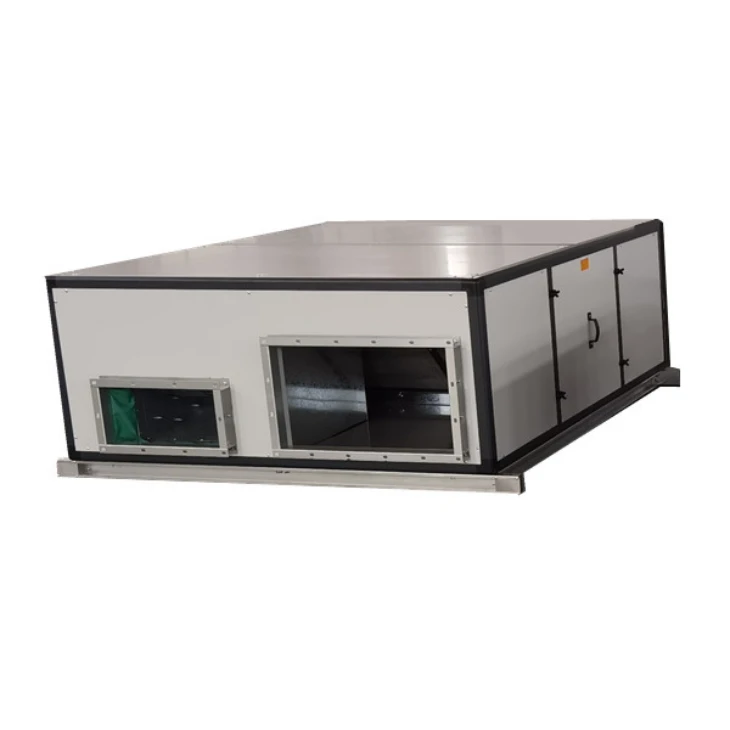
Now, if you're thinking about getting an HRV or ERV system for your place, we've got some great options. Check out our Ceiling Mounted Air Handling Unit. It's a space - saving and efficient way to ventilate your home or office. And if you're looking for something a bit more straightforward, our Fresh Air Ventilator is a great choice. It's easy to install and does an excellent job of bringing in fresh air.
In conclusion, there is definitely a relationship between HRV and heart disease. By improving indoor air quality, HRV and ERV systems can help reduce the risk factors associated with heart disease. If you're concerned about your heart health or just want to breathe cleaner air, investing in an HRV or ERV system is a smart move.
If you're interested in purchasing an HRV or ERV system, don't hesitate to reach out. We're here to answer all your questions and help you find the perfect ventilation solution for your needs. Whether it's for your home, office, or commercial space, we've got you covered.
References
- Medical Journal of Indoor Air Quality and Health, Volume XX, Issue YY, "The Impact of Ventilation on Cardiovascular Health"
- Research Report on Indoor Air Pollutants and Heart Disease, Published by a Leading University Research Center