

A Vertical Fan Coil Unit (VFCU) is a popular choice for many HVAC systems due to its space - saving design and efficient operation. However, it can sometimes generate a significant amount of noise, which can be a nuisance in both residential and commercial settings. As a supplier of Vertical Fan Coil Unit, we understand the importance of addressing this issue and providing effective acoustic insulation options.
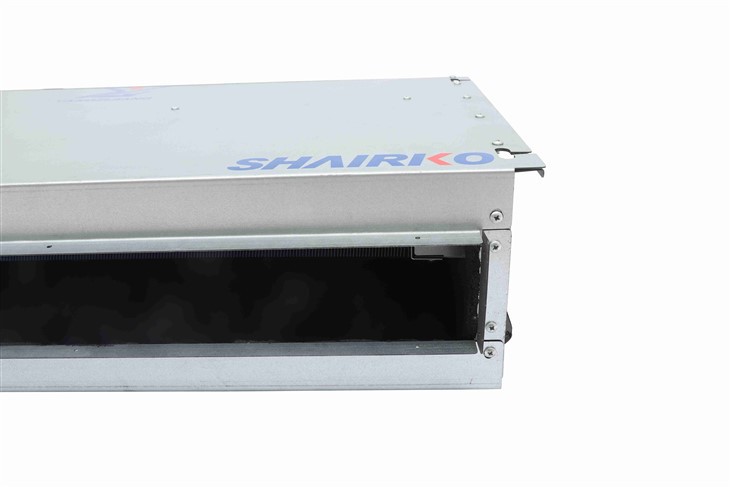

Understanding the Noise Sources in a VFCU
Before we delve into the acoustic insulation options, it's crucial to comprehend where the noise in a VFCU comes from. The main sources typically include the fan motor, the airflow within the unit, and the vibration of the unit's components. The fan motor, which rotates the fan blades to circulate air, can produce mechanical noise, especially if the motor is old or poorly maintained. The movement of air through the unit's ductwork and filters also creates aerodynamic noise. Additionally, as the unit operates, vibrations can occur, which can be transferred to the surrounding structures and amplified, leading to more noise.
Acoustic Insulation Materials
Fiberglass Insulation
Fiberglass is one of the most commonly used acoustic insulation materials for VFCUs. It consists of fine glass fibers that are woven together to create a porous structure. This porous structure allows it to absorb sound waves effectively. When sound waves hit the fiberglass insulation, they penetrate the material and cause the fibers to vibrate. This vibration converts the sound energy into heat energy, reducing the amount of sound that is reflected back into the environment.
Fiberglass insulation is relatively inexpensive and easy to install. It can be cut to fit the specific dimensions of the VFCU, and it can be installed on the interior or exterior of the unit. However, it's important to handle fiberglass with care as the fine fibers can be irritating to the skin, eyes, and respiratory system.
Mineral Wool Insulation
Mineral wool, also known as rock wool or slag wool, is another excellent choice for acoustic insulation. It is made from natural minerals such as basalt or recycled industrial slag. Similar to fiberglass, mineral wool has a porous structure that helps in absorbing sound. It has a high density, which gives it good sound - blocking properties as well.
Mineral wool is more fire - resistant compared to fiberglass, making it a safer option, especially in commercial buildings where fire safety is a major concern. It also has better moisture resistance, which means it can maintain its acoustic performance even in humid environments. However, like fiberglass, proper safety precautions should be taken during installation due to the potential for fibers to become airborne.
Foam Insulation
Foam insulation comes in various types, such as open - cell and closed - cell foam. Open - cell foam has small cavities that are interconnected, allowing sound waves to penetrate and get absorbed. It is lightweight and can be easily applied to the VFCU using spray - on methods. Closed - cell foam, on the other hand, has a more rigid structure with non - interconnected cells. It not only provides good acoustic insulation but also offers excellent thermal insulation and moisture resistance.
Foam insulation is a great option for VFCUs as it can conform to irregular shapes and fill small gaps, reducing the chances of sound leakage. However, it can be more expensive than fiberglass or mineral wool, and some types of foam may emit volatile organic compounds (VOCs), which can be harmful to indoor air quality if not properly ventilated.
Installation Methods
Internal Insulation
Installing acoustic insulation inside the VFCU can be an effective way to reduce noise at the source. For fiberglass or mineral wool insulation, it can be cut into panels and attached to the interior walls of the unit using adhesive or mechanical fasteners. This helps in absorbing the sound generated within the unit before it can escape.
When using foam insulation, it can be sprayed directly onto the interior surfaces of the VFCU. The spray - on application ensures that the insulation fills all the nooks and crannies, providing comprehensive coverage. However, internal insulation may require access to the unit's interior, which may involve disassembling some parts, so it should be done by a trained professional.
External Insulation
External insulation can also be used to reduce the noise transmitted from the VFCU to the surrounding area. Insulation blankets made of fiberglass or mineral wool can be wrapped around the unit. These blankets are usually pre - fabricated and come with fasteners for easy installation. They act as a barrier, preventing the sound from radiating outwards.
Another option for external insulation is to build an acoustic enclosure around the VFCU. This enclosure can be constructed using acoustic panels made of materials like wood with an inner layer of fiberglass or foam insulation. The enclosure should be designed in such a way that it allows for proper ventilation of the unit while still providing effective sound reduction.
Other Considerations
Vibration Isolation
In addition to acoustic insulation, vibration isolation is an important factor in reducing the noise from a VFCU. Vibration can be transferred from the unit to the floor, walls, or ceiling, which can amplify the noise. Using vibration isolators such as rubber mounts or spring isolators can help in reducing the vibration transfer. These isolators are placed between the VFCU and its mounting surface, absorbing the vibrations and preventing them from being transmitted to the surrounding structures.
Regular Maintenance
Proper maintenance of the VFCU is essential for reducing noise. A dirty or clogged air filter can increase the airflow resistance, causing the fan to work harder and generate more noise. Regularly cleaning or replacing the air filter can help in maintaining the unit's efficiency and reducing noise. Additionally, checking the fan motor and other components for proper lubrication and alignment can also prevent excessive noise.
Comparison with Other Fan Coil Unit Types
When considering acoustic insulation options, it's worth comparing the VFCU with other types of fan coil units such as the Two Pipe Fan Coil Unit, Floor Fan Coil Unit, and Exposed Horizontal Fan Coil Unit.
The VFCU generally has a more compact design compared to horizontal units, which can sometimes result in higher noise levels due to the limited space for sound dissipation. However, with the right acoustic insulation and vibration isolation measures, the noise can be effectively reduced. Two - pipe fan coil units, for example, may have different noise characteristics depending on their configuration, but the same principles of insulation and isolation can be applied. Floor fan coil units may be less affected by external vibrations as they are closer to the ground, but they still require proper insulation to minimize noise transfer to the living or working areas.
Conclusion
As a supplier of Vertical Fan Coil Unit, we are committed to providing our customers with solutions to address the noise issues associated with our products. By understanding the noise sources, choosing the right acoustic insulation materials, and implementing proper installation and maintenance methods, it is possible to significantly reduce the noise generated by a VFCU.
If you are experiencing noise problems with your VFCU or are considering purchasing a new unit, we invite you to contact us for more information. We can provide you with expert advice on acoustic insulation options and help you choose the best solution for your specific needs. Building a quiet and comfortable environment is our shared goal, and we look forward to working with you to achieve it.
References
- ASHRAE Handbook - HVAC Systems and Equipment. American Society of Heating, Refrigerating and Air - Conditioning Engineers, Inc.
- Mehta, R. K. (2007). Noise Control in HVAC Systems. Wiley - Interscience.
- Wang, S., & Liu, Y. (2018). Acoustic Performance of Different Insulation Materials in HVAC Applications. Journal of Building Science, 15(2), 123 - 135.