

When it comes to optimizing the performance of a floor fan coil unit in a room, the placement of the unit plays a crucial role. As a supplier of high - quality Floor Fan Coil Unit, I've had the opportunity to study and understand the best practices for positioning these units. In this blog, I'll explore the various factors to consider and the ideal positions for placing a floor fan coil unit to ensure maximum efficiency and comfort.
Understanding the Basics of a Floor Fan Coil Unit
Before delving into the placement, it's important to understand what a floor fan coil unit is and how it works. A floor fan coil unit is a device that consists of a fan and a coil. The coil can be used for both heating and cooling purposes. The fan blows air over the coil, and the air is either heated or cooled depending on the mode of operation. This conditioned air is then circulated throughout the room.
Factors to Consider for Placement
Airflow
One of the most important factors to consider is the airflow. The floor fan coil unit should be placed in a location where it can draw in fresh, unobstructed air and distribute the conditioned air effectively. Obstructions such as furniture, curtains, or large objects can impede the airflow, reducing the unit's efficiency. For example, if the unit is placed behind a large bookshelf, the intake of air will be restricted, and the conditioned air may not be able to reach all parts of the room.
Room Layout
The layout of the room also plays a significant role in determining the best placement. In a rectangular room, placing the floor fan coil unit along one of the longer walls can help in achieving better air circulation. This allows the conditioned air to travel across the length of the room, reaching more areas. In a square - shaped room, the unit can be placed in a corner or along a central wall, depending on the location of doors and windows.
Heat Sources and Cold Spots
Identifying heat sources and cold spots in the room is essential. Heat sources such as direct sunlight through windows, electrical appliances, or human activity can increase the temperature in certain areas of the room. Placing the floor fan coil unit near these heat sources can help in quickly cooling the area. On the other hand, cold spots, such as areas near exterior walls or drafty windows, may require more heating. Positioning the unit close to these cold spots can ensure that the temperature in the room is more evenly distributed.
Noise Level
The noise level of the floor fan coil unit can be a concern, especially in bedrooms or quiet workspaces. Placing the unit away from areas where people are likely to be sitting or sleeping can minimize the impact of the noise. For instance, in a bedroom, it's better to place the unit near the foot of the bed rather than close to the headboard.
Ideal Positions for Placement
Near an Exterior Wall
Placing the floor fan coil unit near an exterior wall has several advantages. First, it can easily draw in fresh air from outside, which is beneficial for ventilation. Second, in the case of cooling, the heat generated by the unit can be more easily dissipated to the outside. However, it's important to ensure that the unit is not placed directly under a window, as this can cause the intake of cold air during the heating season or hot air during the cooling season, reducing the unit's efficiency.
Along a Central Wall
In a room with a large open space, placing the floor fan coil unit along a central wall can help in achieving uniform air distribution. The conditioned air can spread out in both directions, covering a larger area of the room. This is particularly useful in living rooms or large offices where people are likely to be moving around and need consistent temperature control.
Away from Traffic Areas
To avoid damage to the unit and ensure unobstructed airflow, it's advisable to place the floor fan coil unit away from high - traffic areas. For example, in a hallway or a corridor, placing the unit against a wall that is not frequently passed by can prevent accidental bumps or collisions.
Comparison with Other Types of Fan Coil Units
It's worth comparing the floor fan coil unit with other types of fan coil units, such as Horizontal Fan Coil Unit and Ceiling Fan Coil Unit.
A horizontal fan coil unit is typically installed in a horizontal position, often in a ceiling cavity or a wall - mounted enclosure. While it can provide good air circulation in larger spaces, it may not be as effective in reaching the lower parts of the room. In contrast, a floor fan coil unit can directly condition the air at a lower level, which is beneficial for people sitting or standing close to the floor.
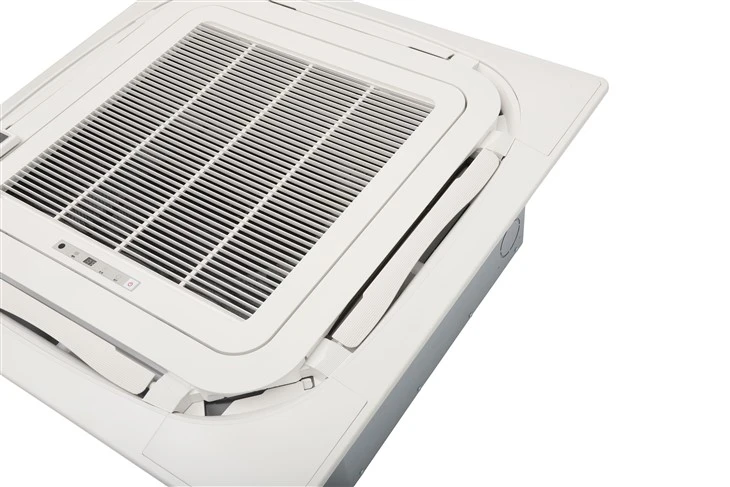
A ceiling fan coil unit, as the name suggests, is installed on the ceiling. It can provide a wide - spread distribution of air, but it may not be suitable for rooms with low ceilings. Also, the noise from a ceiling - mounted unit can be more noticeable as it is closer to the ears. A floor fan coil unit, on the other hand, can operate at a lower noise level and is less likely to be affected by ceiling height.
Conclusion
In conclusion, the best position to place a floor fan coil unit in a room depends on several factors, including airflow, room layout, heat sources, cold spots, and noise level. By carefully considering these factors and choosing an appropriate location, you can ensure that the unit operates at its maximum efficiency, providing optimal comfort in the room.

As a supplier of Floor Fan Coil Unit, we are committed to providing high - quality products and professional advice on installation and placement. If you are considering purchasing a floor fan coil unit or need more information on how to optimize its performance, please feel free to contact us for a detailed consultation. We look forward to working with you to create a comfortable and energy - efficient indoor environment.
References
ASHRAE Handbook - HVAC Systems and Equipment. American Society of Heating, Refrigerating and Air - Conditioning Engineers.
"Principles of Heating, Ventilation, and Air Conditioning", by C. P. Arora.