

Hey there! As a supplier of Hydronic Floor Convectors, I often get asked about the power consumption of these nifty heating devices. So, let's dive right in and break it down.
First off, what exactly is a hydronic floor convector? Well, it's a type of heating system that uses hot water flowing through pipes to heat up a room. Unlike traditional radiators that are mounted on the wall, hydronic floor convectors are installed beneath the floor, providing a more even and comfortable heat distribution.
Now, let's talk about power consumption. The power consumption of a hydronic floor convector depends on several factors, such as the size of the room, the insulation level, the outdoor temperature, and the desired indoor temperature. In general, hydronic floor convectors are more energy-efficient than electric heaters because they use hot water as a heat source, which is typically generated by a boiler or a heat pump.
The power consumption of a hydronic floor convector is usually measured in kilowatts (kW). The higher the kW rating, the more powerful the convector and the more heat it can produce. However, a higher kW rating also means higher energy consumption. So, it's important to choose a convector with the right size and capacity for your room to avoid wasting energy.
To calculate the power consumption of a hydronic floor convector, you need to know the following information:
- The heat output of the convector in kilowatts (kW).
- The number of hours the convector will be running per day.
- The cost of electricity per kilowatt-hour (kWh).
Once you have this information, you can use the following formula to calculate the daily energy consumption of the convector:
Daily energy consumption (kWh) = Heat output (kW) x Number of hours of operation per day
For example, if you have a hydronic floor convector with a heat output of 1.5 kW and it runs for 8 hours per day, the daily energy consumption would be:
Daily energy consumption (kWh) = 1.5 kW x 8 hours = 12 kWh
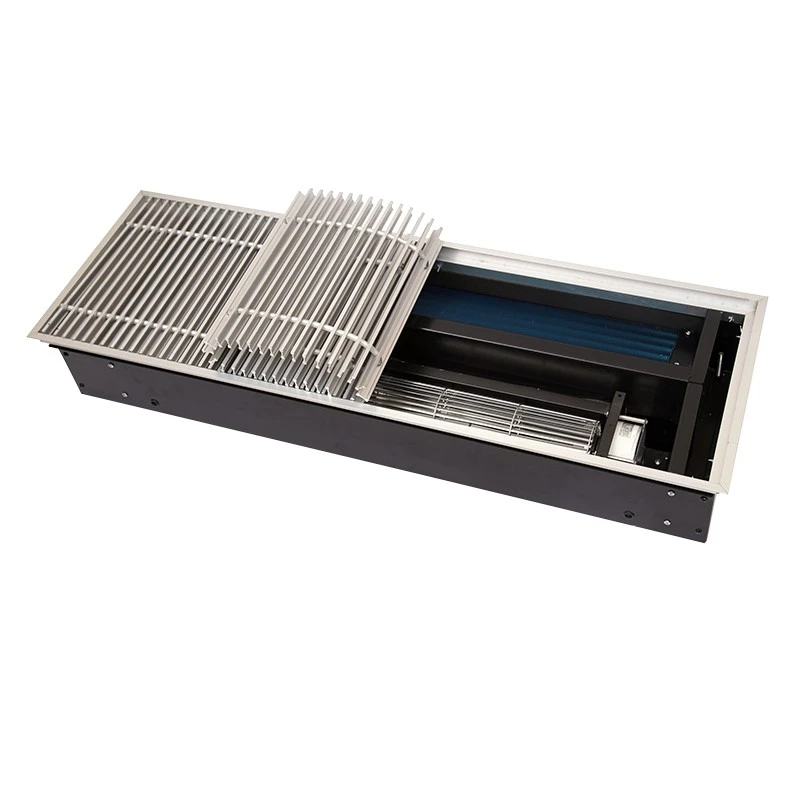

To calculate the monthly or annual energy consumption, you simply multiply the daily energy consumption by the number of days in the month or year.
Now, let's compare the power consumption of a hydronic floor convector with other types of heating systems. As I mentioned earlier, hydronic floor convectors are more energy-efficient than electric heaters because they use hot water as a heat source. Electric heaters convert electricity directly into heat, which is a less efficient process.
Another type of heating system that is commonly used is the forced-air system. Forced-air systems use a furnace to heat up air, which is then blown through ducts and into the rooms. While forced-air systems can be effective at heating up a large space quickly, they can also be quite energy-intensive. This is because they require a lot of energy to run the blower and to heat up the air.
In comparison, hydronic floor convectors are more energy-efficient because they use hot water as a heat source, which is a more efficient way to transfer heat. Additionally, hydronic floor convectors provide a more even and comfortable heat distribution, which can help to reduce energy consumption by eliminating cold spots and reducing the need for additional heating.
If you're interested in learning more about different types of floor convectors, you can check out our Electric Floor Convector, Recessed Floor Convector, and Linear Floor Convector pages on our website.
So, how can you reduce the power consumption of your hydronic floor convector? Here are some tips:
- Insulate your home: Proper insulation can help to reduce heat loss and keep your home warm, which can in turn reduce the need for your hydronic floor convector to run as often.
- Use a programmable thermostat: A programmable thermostat allows you to set different temperatures for different times of the day, which can help to reduce energy consumption by only heating your home when you need it.
- Keep your convector clean: Regularly cleaning your hydronic floor convector can help to ensure that it is operating efficiently and can reduce energy consumption.
- Seal air leaks: Sealing air leaks around windows, doors, and other areas of your home can help to prevent heat loss and reduce the need for your hydronic floor convector to run as often.
In conclusion, the power consumption of a hydronic floor convector depends on several factors, such as the size of the room, the insulation level, the outdoor temperature, and the desired indoor temperature. Hydronic floor convectors are generally more energy-efficient than electric heaters and forced-air systems because they use hot water as a heat source, which is a more efficient way to transfer heat. By following the tips above, you can reduce the power consumption of your hydronic floor convector and save money on your energy bills.
If you're interested in purchasing a hydronic floor convector or have any questions about our products, please don't hesitate to contact us. We'd be happy to help you choose the right convector for your needs and provide you with more information about our products and services.
References
- ASHRAE Handbook of Fundamentals. American Society of Heating, Refrigerating and Air-Conditioning Engineers.
- Energy Star. Tips for Saving Energy at Home. U.S. Environmental Protection Agency.