

Hey there, HVAC enthusiasts and building managers! I'm working with a Four Pipe Fan Coil Unit supplier. Through our experience in this field, we've seen firsthand how Four Pipe Fan Coil Units (FPFCUs) can be a game - changer in high - rise buildings. But let's be real, using them in tall structures comes with its own set of challenges. So, let's dive into how we can overcome those hurdles.
Understanding the Four Pipe Fan Coil Unit
First off, for those who aren't super familiar, FPFCUs are a type of HVAC system component. They have two hot water pipes and two cold water pipes, which allows for simultaneous heating and cooling in different areas of the building. This is a huge advantage in high - rises with varying internal loads. For example, offices on the sunny side of the building might need cooling, while those on the shaded side require heating.
Compared to a Two Pipe Fan Coil Unit, which can only provide either heating or cooling at a given time, FPFCUs offer more flexibility. But more flexibility also means more complexity, and that's where the challenges start.
Challenge 1: System Complexity and Installation
One of the major headaches when using FPFCUs in high - rise buildings is the complexity of the system. The four - pipe design requires more piping, valves, and controls compared to other options like the Two Pipe Fan Coil Unit. This not only makes the initial installation more complicated but also increases the chances of things going wrong.
To overcome this, it's crucial to have a team of experienced HVAC installers. They should be well - versed in the design and installation of FPFCUs. Before starting the installation, a detailed floor - by - floor plan should be created. This plan should map out the optimal paths for the hot and cold water pipes, avoiding any potential conflicts with other building systems like electrical wires or plumbing.
Another tip is to pre - assemble as many components as possible in a controlled environment. This reduces the on - site labor time and minimizes the risk of installation errors. For instance, the fan coil units can be pre - wired and pre - plumbed at the factory, and then only need to be connected on - site.
Challenge 2: Water Pressure and Flow Regulation
In a high - rise building, water pressure and flow regulation can be a real pain. Since the FPFCUs rely on water circulation for heating and cooling, ensuring proper pressure and flow is essential. As water has to travel up several floors, the pressure can vary significantly between the lower and upper levels.
To deal with this challenge, we recommend using variable - speed pumps. These pumps can adjust the water flow rate based on the demand of different floors. For example, on the lower floors where the pressure is higher, the pump can operate at a lower speed, while on the upper floors, it can increase the speed to maintain the required flow.

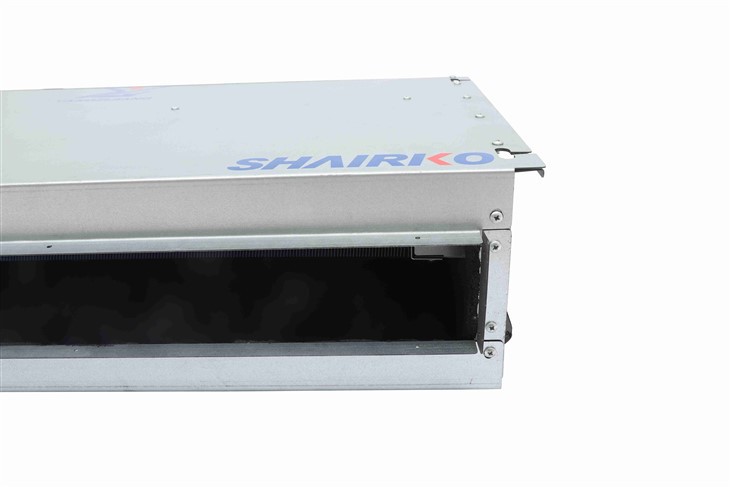
In addition, pressure - regulating valves should be installed at strategic points in the system. These valves can maintain a consistent pressure throughout the entire piping network, regardless of the floor height. By doing so, we can ensure that each FPFCU receives the right amount of hot or cold water for efficient operation.
Challenge 3: Maintenance and Air Quality
Maintaining FPFCUs in high - rise buildings is no walk in the park. The system has more components that need regular inspection and servicing. For example, the filters in the fan coil units can get clogged with dust and debris over time, reducing the air - flow and efficiency of the unit.
To keep the system running smoothly, a strict maintenance schedule should be established. This includes regular filter changes, coil cleaning, and inspection of valves and pumps. We also suggest using high - quality filters that can capture a wider range of particles. This not only improves the efficiency of the FPFCU but also enhances the indoor air quality.
Speaking of air quality, FPFCUs can be a breeding ground for mold and bacteria if not properly maintained. The moisture that accumulates on the cooling coils can create a perfect environment for these microorganisms to grow. To prevent this, we recommend using anti - microbial coatings on the coils. These coatings can inhibit the growth of mold and bacteria, ensuring that the air circulated in the building is clean and healthy.
Challenge 4: Energy Efficiency
In high - rise buildings, energy consumption is a major concern. FPFCUs, with their complex design, can consume a significant amount of energy if not optimized. One of the main energy drains is the continuous operation of the fans and pumps.
To improve energy efficiency, we can implement smart controls. These controls can adjust the operation of the fans and pumps based on the occupancy and temperature of the rooms. For example, in unoccupied areas, the fans can be set to a lower speed or even turned off completely.
Another way to save energy is by using energy - efficient components. For instance, Cassette Fan Coil Units are known for their high - efficiency motors and advanced heat exchangers. By replacing old, inefficient units with these modern ones, we can significantly reduce the energy consumption of the entire system.
Challenge 5: Noise Management
In a high - rise building, noise can be a real nuisance. The fans and pumps in FPFCUs can generate a significant amount of noise, which can be disturbing to the building occupants.
To address this issue, we can start by selecting low - noise fan coil units. Many manufacturers, including ours, offer units with advanced noise - reduction technology. These units are designed with special fan blades and enclosures that can minimize the noise generated during operation.
In addition, proper insulation can also play a crucial role in noise management. The pipes and ducts should be well - insulated to prevent the transmission of noise. We can also install vibration isolators between the fan coil units and the building structure. These isolators can absorb the vibrations generated by the unit, further reducing the noise.
Conclusion
Using Four Pipe Fan Coil Units in high - rise buildings certainly comes with its challenges. But with the right strategies and solutions, we can overcome them. From proper installation and maintenance to energy - saving measures and noise management, there are many ways to ensure that FPFCUs operate efficiently and effectively in tall structures.
If you're considering using Four Pipe Fan Coil Units in your high - rise building or need help with an existing system, don't hesitate to reach out. Our team of experts is here to provide you with the best solutions and support. We offer a wide range of high - quality FPFCUs, including Exposed Vertical Fan Coil Unit, Hydronic Fan Coils, and Concealed Fan Coil Unit. Let's work together to create a comfortable and efficient indoor environment for your building.
References
"HVAC Systems Design Handbook" by Ashrae
"Practical Guide to Fan Coil Units" by various industry experts
Need help with product selection?
Our HVAC experts are here to guide you - from system design to installation support.
Mail:shairko@126.com Phone:+86 16601861199