

Hey everyone! If you’re someone who’s been researching floor heating systems or just stepped into the world of natural floor convectors (you can check out the basics here: Floor Convector), odds are you’ve got questions—especially if you’re a parent, grandparent, or anyone with little ones running around the house. One of the most common queries I get from homeowners, contractors, and even fellow design folks is: Do natural floor convectors actually have a child-lock feature?
I’m not just some random blogger here, by the way— I work for a company that makes these things (no need to name drop, but if you’re looking for quality, stick around), so I’m pretty deep in the day-to-day of how these systems work, what features matter most, and what people actually need to keep their homes safe. Let’s break this down, no jargon, just real talk, because I know how confusing all this stuff can be when you’re trying to pick the right heating setup for your family.
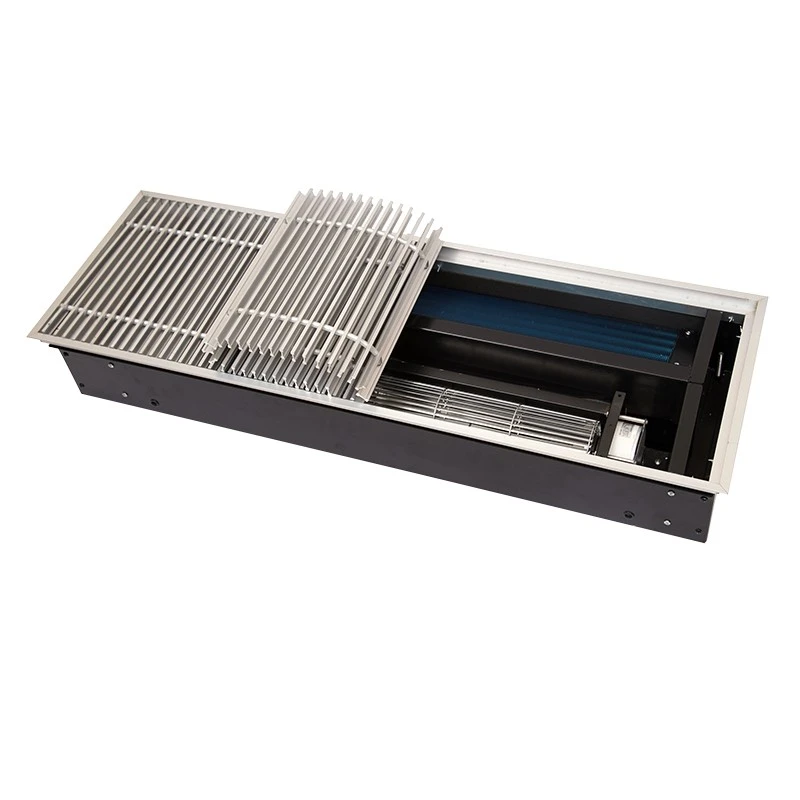
First, let’s make sure we’re on the same page about what a natural floor convector even is, since I throw that term around a lot. Unlike forced systems that blast hot air around, natural floor convectors use convection— that’s the whole “hot air rises” thing we learned in middle school science— to heat a space. They’re usually installed low to the floor, often recessed into the floor (though there are surface-mounted options too: Surface Mounted Floor Convector), which makes them blend in super well, no bulky wall units taking up space. There are different types too, like linear ones that run along baseboards or under windows: Linear Floor Convector, and for spaces that need a bit more heat, forced floor convectors that add a small fan to move air: Forced Floor Convector. For most homes, especially residential ones: Residential Floor Convector, natural models are the go-to because they’re quiet, low-maintenance, and don’t dry out the air like traditional radiators.
Now, back to the big question: child-lock. Let’s be real— kids are curious. They’ll poke at anything that looks even a little accessible. Floor convectors are low to the ground, so a crawling baby or a toddler standing on a step stool might try to touch them, twist any knobs they see, or play with the controls. That’s why safety features like child-lock aren’t just a “nice to have”— they’re a must for families.
So, do natural floor convectors have this feature? The short answer is: it depends on the model, but most quality ones (and definitely the ones we make) include it— here’s the long version. Let’s start with how natural floor convectors work, because that’s key to why child-lock is either easy to add or makes total sense. Natural models heat air via a heating element or hot water coil, and the air flows through slats or grates on the top of the unit. The controls— usually thermostats, adjustment knobs, or even digital panels— are either mounted on the unit itself or connected to a wall thermostat nearby.
For the basic, older models of natural floor convectors, there was no child-lock. Their controls were super simple: twist a knob to turn heat up or down, no extra layers of security. But times have changed, and as more families started asking for safety features, manufacturers (yes, including mine) updated their designs. Now, most modern natural floor convectors come with a programmable thermostat or a digital control panel that has a built-in child-lock function. How does that work? Usually, it’s a simple combo— like holding down two buttons for 3-5 seconds— that locks the control panel so no one can accidentally change the temperature, turn the unit on or off, or mess with any settings. That’s perfect for parents: you can set the temperature to what you want, lock it, and the kids can’t crank it up to super hot (which could burn tiny fingers) or turn it off on a cold day.
Wait, but what if you have a linear floor convector, like one under a window that has a control panel that’s really low to the floor? Yeah, that’s a common concern. We’ve adjusted our linear models to put the control panel a little higher up, or make the child-lock the default for residential installations. You’d be surprised how many people don’t realize that even floor convectors with manual knobs— not just digital ones— can have a lock. Some models have a little cover that fits over the knob, so you have to remove it to adjust the heat, which is basically a physical child-lock. That’s great for older homes or people who prefer simple, mechanical controls over digital ones.
But hold on— I need to be honest here, not just hype up our products. There are still some natural floor convectors on the market that don’t have a child-lock feature. Usually, those are super budget models, or ones designed for commercial spaces where there aren’t kids running around. If you’re shopping around, make sure to check the product specs— it should clearly say if it has a child-lock function. And if you’re buying from a smaller manufacturer, don’t be afraid to ask! We get that question all the time, and we’re happy to tell you exactly what safety features our units have, no hidden fine print.
Another big safety point that goes hand in hand with child-lock, especially for floor convectors: the grates or slats on top. Kids (and even curious pets) love to stick their fingers, toys, or food into gaps. Most modern natural floor convectors have what’s called “pinch-proof grates” or “small-gap slats” that prevent little fingers from getting stuck. But even with that, the child-lock feature for the controls is still important, because if a kid could turn the unit up too high, the surface of the convector could get hot enough to cause a burn if they do touch it. It’s a two-part safety thing: keep the controls locked, and make the unit itself safe to touch when it’s operating.
Let me share a quick story to make this real. A few months back, a customer reached out to us saying they had a 2-year-old and were worried about their new residential floor convector. They had looked at a cheaper model that didn’t have child-lock, and were nervous that their kid would twist the knob and accidentally turn the heat way up. We walked them through our line: our natural models have the digital control with a 5-second hold child-lock, plus the mechanical knob models have a plastic cover lock. They ended up going with the linear floor convector for their living room, and they told us later that the kid has tried a few times to mess with the controls, but can’t get the lock off. That’s exactly the kind of thing we’re trying to help with— peace of mind for parents.
Wait, what about forced vs natural? I know some people mix those up. Forced floor convectors use a fan to move air, so they can get a little hotter on the surface, right? So child-lock is even more important for forced models. But natural floor convectors, since they rely on convection, usually run at a lower surface temperature, so they’re safer by default. But that doesn’t mean you skip safety features— especially the control lock. Even if the unit only gets warm, a curious toddler could still mess with the settings and accidentally make it warmer than you want.
Another thing to consider: if you’re having a floor convector installed, especially in a home with kids or elderly people, talk to your installer about where to put the controls. We always recommend putting wall thermostats (connected to the floor convector) in a spot that’s out of reach of little hands— like at adult height, near a door or on a wall by a shelf— instead of on the unit itself, which is low. That adds an extra layer of safety, on top of the child-lock feature.
I should also mention that child-lock features aren’t just for kids. If you have other people staying over, like teens or family members who might not know how to adjust the controls, locking it keeps settings consistent. Or if you’re away from home for a few days, you can lock the temperature so no one accidentally turns it way down or up. It’s not just a kid safety thing— it’s a convenience and security thing too.

Now, let’s get back to the original question, to wrap this up. The answer is: yes, most modern natural floor convectors (especially residential ones, like the ones we make) do have a child-lock feature, but it’s not universal. It’s something you need to check for when you’re shopping, and it’s definitely a feature worth prioritizing if you have young kids or anyone else in your home who might accidentally mess with the controls.
Before I sign off, a quick tip: if you’re in the market for a new floor convector, take time to look at the product details, ask the manufacturer about their safety features, and think about your specific living situation. A unit that works great for a child-free apartment might not be the best fit for a family with toddlers, and that’s totally fine— you just need to make sure you’re picking the right one for your needs.
If you’re ready to learn more or want to chat about which natural floor convector would work best for your home or project, we’re here to help. No pushy sales talk, just honest answers about our products and how they can fit your space and your safety needs. Feel free to reach out to discuss your specific requirements.
References
- U.S. Consumer Product Safety Commission. (2022). Home Heating Safety for Families with Young Children. Retrieved from cpsc.gov
- International Code Council. (2021). Residential Mechanical Code: Floor Convector Safety Standards.
- Heating, Refrigerating and Air-Conditioning Engineers (ASHRAE). (2020). Convection Heating Systems: Safety Features and Design Considerations.