

As a supplier of Horizontal Fan Coil Units, I've witnessed firsthand the transformative impact these units can have on indoor air quality. In this blog, I'll delve into the mechanisms through which a Horizontal Fan Coil Unit enhances the air we breathe indoors, exploring its features, benefits, and real - world applications.
1. Filtration Systems in Horizontal Fan Coil Units
One of the primary ways a Horizontal Fan Coil Unit improves indoor air quality is through its advanced filtration systems. These units are equipped with high - efficiency filters that can trap a wide range of contaminants, including dust, pollen, pet dander, and even some bacteria and viruses.
The filters work by forcing the air through a fine mesh or fibrous material. As the air passes through, particles larger than the pores of the filter get trapped. For example, a standard MERV (Minimum Efficiency Reporting Value) 8 filter can capture approximately 80% of particles in the 3 - 10 micron range. Higher - rated filters, such as MERV 13 or above, can capture even smaller particles, including many airborne pathogens.
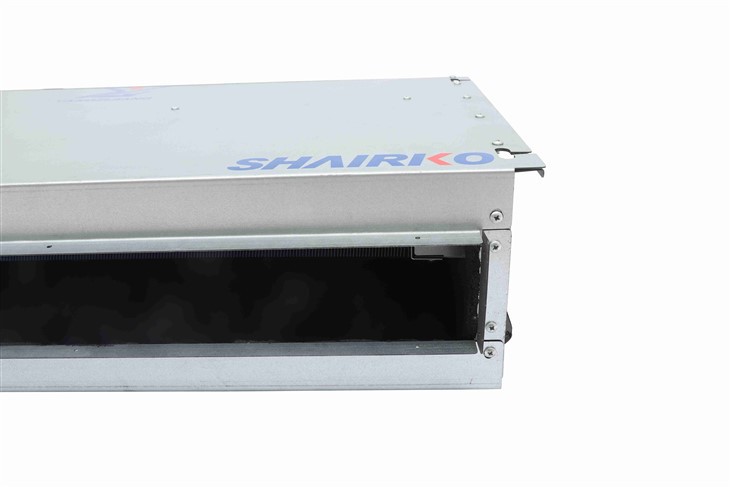

This filtration process is crucial for maintaining a healthy indoor environment. By removing these contaminants, the Horizontal Fan Coil Unit reduces the risk of respiratory problems, allergies, and other health issues associated with poor air quality. For instance, in a home with allergy - prone individuals, a well - functioning filter can significantly reduce the amount of pollen and dust in the air, providing relief from symptoms like sneezing, itching, and congestion.
2. Temperature and Humidity Control
Another important aspect of indoor air quality is the control of temperature and humidity. Horizontal Fan Coil Units are designed to regulate both these factors effectively.
In terms of temperature control, the unit can cool or heat the air as needed. By maintaining a comfortable temperature, it not only enhances the overall comfort of the indoor space but also has a positive impact on air quality. For example, in hot and humid conditions, high temperatures can promote the growth of mold and mildew, which can release spores into the air and cause health problems. By cooling the air, the Horizontal Fan Coil Unit can prevent the conditions that are favorable for mold growth.
Humidity control is equally important. Excess humidity can make the air feel stuffy and can also lead to the growth of bacteria and fungi. On the other hand, low humidity can cause dryness in the skin, eyes, and respiratory tract. Horizontal Fan Coil Units can adjust the humidity levels by either removing excess moisture from the air during the cooling process or adding moisture if the air is too dry. This balanced humidity environment helps to keep the air fresh and healthy.
3. Air Circulation and Distribution
Proper air circulation is essential for maintaining good indoor air quality. A Horizontal Fan Coil Unit is designed to ensure efficient air movement throughout the room.
The fan in the unit blows the conditioned air into the space, creating a continuous flow of air. This helps to prevent the formation of stagnant air pockets, where contaminants can accumulate. By constantly circulating the air, the unit also helps to distribute the filtered and conditioned air evenly across the room.
In large commercial spaces, such as offices or shopping malls, proper air circulation is even more critical. A Horizontal Fan Coil Unit can be strategically placed to ensure that all areas of the space receive adequate ventilation. This not only improves the air quality but also enhances the comfort of the occupants.
4. Comparison with Other Fan Coil Unit Types
When considering indoor air quality, it's important to compare the Horizontal Fan Coil Unit with other types of fan coil units, such as the Four Pipe Fan Coil Unit, Concealed Vertical Fan Coil Unit, Two Pipe Fan Coil Unit, and Concealed Fan Coil Unit.
The Horizontal Fan Coil Unit offers unique advantages in terms of air distribution. Its horizontal design allows for a more even spread of air across a large area, compared to some vertical units that may have a more concentrated airflow. Additionally, the horizontal placement can be more suitable for certain installation scenarios, such as in ceiling spaces, where it can blend in more easily and provide a more aesthetically pleasing solution.
The Four Pipe Fan Coil Unit, on the other hand, offers more precise temperature control as it has separate pipes for hot and cold water. However, in terms of air quality, the basic filtration and air circulation functions are similar to those of the Horizontal Fan Coil Unit. The Concealed Vertical Fan Coil Unit is designed to be hidden, which can be beneficial for spaces where aesthetics are a concern. But its vertical orientation may result in a different air distribution pattern compared to the horizontal unit.
5. Real - World Applications
Horizontal Fan Coil Units are widely used in various settings, including residential, commercial, and industrial spaces.
In residential buildings, they are often installed in bedrooms, living rooms, and other living areas. They can provide a comfortable and healthy environment for the occupants, especially in regions with extreme weather conditions. For example, in a hot and humid climate, the unit can cool and dehumidify the air, making the living space more comfortable and reducing the risk of mold growth.
In commercial buildings, such as offices, hotels, and restaurants, Horizontal Fan Coil Units play a crucial role in maintaining a high - quality indoor environment. They can help to create a pleasant atmosphere for employees, guests, and customers, which can have a positive impact on productivity and customer satisfaction. For instance, in a hotel room, a well - functioning Horizontal Fan Coil Unit can ensure that the air is clean and comfortable, enhancing the overall guest experience.
In industrial settings, these units can be used to control the air quality in manufacturing plants, warehouses, and other facilities. They can help to remove dust, fumes, and other contaminants generated during the manufacturing process, protecting the health of the workers and ensuring the quality of the products.
6. Maintenance for Optimal Air Quality
To ensure that a Horizontal Fan Coil Unit continues to improve indoor air quality, regular maintenance is essential.
The filters need to be replaced or cleaned regularly. Over time, the filters can become clogged with dirt and debris, reducing their effectiveness. A clogged filter can also put additional strain on the unit, leading to increased energy consumption and potential damage. Depending on the usage and the environment, filters may need to be replaced every 1 - 3 months.
The coils of the unit also need to be kept clean. Dust and dirt can accumulate on the coils, reducing their ability to transfer heat effectively. This can lead to a decrease in the unit's performance and an increase in energy costs. Professional cleaning of the coils should be carried out at least once a year.
In addition, the fan and other components of the unit should be inspected regularly for any signs of wear or damage. Loose parts, worn belts, or malfunctioning motors can affect the unit's operation and air quality.
7. Conclusion and Call to Action
In conclusion, a Horizontal Fan Coil Unit is an effective solution for improving indoor air quality. Through its advanced filtration systems, temperature and humidity control, efficient air circulation, and other features, it can create a healthy and comfortable indoor environment.
If you're interested in enhancing the air quality of your residential, commercial, or industrial space, a Horizontal Fan Coil Unit from our supply could be the perfect choice. We offer a wide range of models to suit different needs and budgets. To learn more about our products and start a procurement discussion, please reach out to us. We're ready to assist you in finding the best solution for your air quality requirements.
References
- ASHRAE Handbook of Heating, Ventilating, and Air - Conditioning Systems and Equipment.
- Indoor Air Quality Association (IAQA) Guidelines.
- Manufacturer's specifications and technical documentation for Horizontal Fan Coil Units.