

As a supplier of fan coil units, I understand the significance of optimizing the air - side performance of these units. In this blog post, I will share some key strategies and considerations to enhance the air - side performance of fan coil units.
1. Understanding the Basics of Fan Coil Unit Air - Side Performance
The air - side performance of a fan coil unit is crucial as it directly affects the comfort level in a space and the energy efficiency of the system. The air - side performance is mainly determined by factors such as air volume, air distribution, and air filtration.
Air volume is the amount of air that the fan coil unit can deliver. It is typically measured in cubic feet per minute (CFM) or cubic meters per hour (m³/h). A higher air volume can ensure better air circulation in the room, but it also requires more energy. Therefore, it is essential to find the right balance between air volume and energy consumption.
Air distribution refers to how the air is delivered into the space. A well - designed air distribution system can ensure uniform temperature and air quality throughout the room. Uneven air distribution can lead to hot or cold spots, which can reduce the comfort level of the occupants.
Air filtration is another important aspect of air - side performance. A good air filter can remove dust, pollen, and other contaminants from the air, improving the indoor air quality.
2. Selecting the Right Fan Coil Unit
The first step in optimizing the air - side performance is to select the right fan coil unit for the specific application. There are different types of fan coil units available in the market, such as Four Pipe Fan Coil Unit, Concealed Fan Coil Unit, and Hydronic Fan Coils.
Four - pipe fan coil units offer more flexibility in terms of heating and cooling. They have separate hot and cold water circuits, which allow for independent control of heating and cooling. This is particularly useful in buildings where different zones may have different heating and cooling requirements.
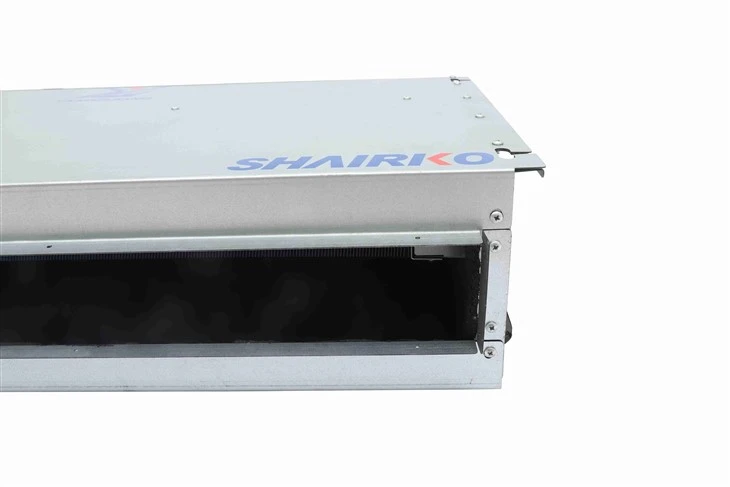
Concealed fan coil units are designed to be installed out of sight, such as in the ceiling or wall. They are ideal for applications where aesthetics are important. These units can provide efficient air - side performance while maintaining a clean and uncluttered appearance.
Hydronic fan coils use water as the heat transfer medium. They are known for their energy efficiency and quiet operation. Hydronic fan coils are suitable for a wide range of applications, from residential to commercial buildings.
When selecting a fan coil unit, it is important to consider factors such as the size of the space, the required air volume, and the heating and cooling load. A professional HVAC engineer can help in making the right selection based on these factors.

3. Optimizing the Fan Design
The fan is a critical component of the fan coil unit, and its design can significantly impact the air - side performance. There are several ways to optimize the fan design:
- Fan Type: There are different types of fans, such as centrifugal fans and axial fans. Centrifugal fans are generally more suitable for applications where high pressure is required, while axial fans are better for applications where high air volume is needed. The choice of fan type depends on the specific requirements of the fan coil unit.
- Fan Efficiency: A high - efficiency fan can reduce energy consumption while maintaining a high air volume. When selecting a fan, look for fans with a high efficiency rating. This can be achieved through advanced blade designs and motor technologies.
- Fan Speed Control: Fan speed control allows for the adjustment of the air volume according to the actual demand. Variable speed fans can operate at different speeds, which can save energy when the full air volume is not required. This can be particularly useful in applications where the heating or cooling load varies throughout the day.
4. Improving Air Distribution
Proper air distribution is essential for achieving uniform temperature and air quality in a space. Here are some ways to improve air distribution:
- Diffuser Design: The diffuser is responsible for distributing the air into the space. A well - designed diffuser can ensure that the air is evenly distributed throughout the room. There are different types of diffusers available, such as linear diffusers, square diffusers, and circular diffusers. The choice of diffuser depends on the layout of the room and the desired air distribution pattern.
- Ductwork Design: The ductwork is used to transport the air from the fan coil unit to the diffusers. A properly designed ductwork system can minimize pressure losses and ensure efficient air flow. The ductwork should be sized correctly to match the air volume and pressure requirements of the fan coil unit.
- Airflow Balancing: Airflow balancing is the process of adjusting the air flow in the ductwork to ensure that the air is evenly distributed to all areas of the space. This can be achieved through the use of dampers and other airflow control devices. Regular airflow balancing can help to maintain optimal air - side performance.
5. Maintaining the Fan Coil Unit
Regular maintenance is essential for ensuring the long - term air - side performance of the fan coil unit. Here are some maintenance tasks that should be carried out:
- Filter Replacement: The air filter should be replaced regularly to ensure proper air filtration. A dirty filter can restrict the air flow, reducing the air - side performance and increasing energy consumption. The frequency of filter replacement depends on the environment and the type of filter used.
- Coil Cleaning: The coils of the fan coil unit can accumulate dirt and debris over time, which can reduce the heat transfer efficiency. Regular coil cleaning can help to maintain the performance of the unit. This can be done using a coil cleaner and a soft brush.
- Lubrication and Inspection: The fan motor and other moving parts of the fan coil unit should be lubricated regularly to ensure smooth operation. In addition, a regular inspection of the unit can help to identify any potential problems early on.
6. Monitoring and Control
Monitoring and control systems can be used to optimize the air - side performance of the fan coil unit. These systems can provide real - time information about the air volume, temperature, and other parameters. Based on this information, the system can adjust the fan speed, water flow, and other settings to ensure optimal performance.
For example, a building automation system can be used to monitor the temperature in different zones of the building. If the temperature in a particular zone is too high or too low, the system can adjust the fan coil unit settings to bring the temperature back to the desired level.
Conclusion
Optimizing the air - side performance of a fan coil unit is a complex but achievable task. By selecting the right fan coil unit, optimizing the fan design, improving air distribution, maintaining the unit, and using monitoring and control systems, we can ensure that the fan coil unit provides efficient and comfortable air - side performance.
If you are interested in purchasing high - quality fan coil units or need more information about optimizing their air - side performance, please feel free to contact us for a detailed discussion. We are committed to providing the best solutions for your HVAC needs.
References
- ASHRAE Handbook - HVAC Systems and Equipment.
- Fan Coil Unit Manufacturer's Manuals.
- Research papers on HVAC system optimization.