

As a seasoned supplier of Two Pipe Fan Coil Units, I've witnessed firsthand the critical role these systems play in large - scale projects. Installing a Two Pipe Fan Coil Unit in such projects isn't a straightforward task; it demands a comprehensive understanding of various requirements to ensure optimal performance and long - term reliability.
1. Space and Layout Considerations
In large - scale projects, the available space is a primary factor. The layout of the building and the specific areas where the fan coil units will be installed need to be carefully evaluated. For instance, in commercial office buildings, the units are often installed in ceiling spaces or within partition walls. This requires sufficient clearance for installation, maintenance, and air circulation.
When it comes to ceiling - mounted units, a minimum clearance of 300mm above the unit is typically recommended. This allows for easy access to filters and other components during maintenance. For wall - mounted units, a distance of at least 150mm from adjacent walls is necessary to ensure proper air intake and discharge.
In addition, the layout should be planned to avoid any obstructions that could impede the airflow. For example, furniture, partitions, or ductwork should not block the intake or outlet grilles of the Two Pipe Fan Coil Unit. If the building has an open - plan layout, the units need to be strategically placed to provide uniform air distribution throughout the space.
2. Structural Requirements
The structural integrity of the building is crucial when installing Two Pipe Fan Coil Units. These units can be quite heavy, especially larger models, and the installation surface must be able to support their weight. In multi - story buildings, the floors and ceilings need to be inspected to ensure they can bear the additional load.
For ceiling - mounted units, the ceiling structure should be reinforced if necessary. This may involve installing additional joists or using heavy - duty mounting brackets. Wall - mounted units also require a solid wall surface. If the wall is made of a lightweight material such as drywall, additional bracing or backing boards may be needed to provide a stable mounting point.
It's also important to consider the vibration generated by the fan coil unit. Excessive vibration can not only cause noise but also damage the unit and the surrounding structure over time. Anti - vibration mounts should be used to isolate the unit from the building structure. These mounts help to reduce the transmission of vibration and noise, ensuring a quiet and comfortable environment.
3. Electrical Requirements
Proper electrical installation is essential for the safe and efficient operation of Two Pipe Fan Coil Units. Each unit requires a dedicated electrical circuit to prevent overloading. The electrical supply should be in accordance with local electrical codes and standards.
The voltage and frequency of the electrical supply must match the specifications of the unit. Most Two Pipe Fan Coil Units operate on standard 220 - 240V, 50Hz power, but it's important to double - check. The electrical wiring should be sized correctly to handle the current draw of the unit. Undersized wiring can lead to overheating and potential fire hazards.
In addition, a suitable electrical switch or control panel should be installed near the unit for easy operation. This allows the user to turn the unit on and off, adjust the fan speed, and set the temperature. The electrical connections should be properly insulated and secured to prevent any short circuits or electrical shocks.
4. Plumbing Requirements
Two Pipe Fan Coil Units rely on a water - based system for heating and cooling. Therefore, proper plumbing installation is a key requirement. The water pipes need to be sized correctly to ensure an adequate flow of water to the unit. The pipe diameter depends on the size and capacity of the unit, as well as the length of the pipe run.

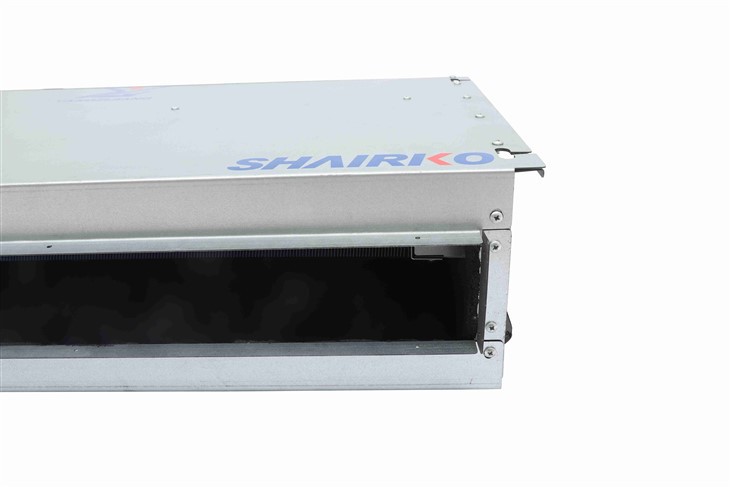
The pipes should be installed with proper slope to allow for proper drainage. This helps to prevent water from pooling in the pipes, which can lead to corrosion and bacterial growth. A slope of at least 1% is typically recommended.
Valves are also an important part of the plumbing system. Isolation valves should be installed at the inlet and outlet of the unit to allow for maintenance and repair without shutting down the entire system. Pressure - regulating valves may be required to maintain a constant water pressure in the system.
The water quality is another crucial factor. Hard water can cause scale buildup in the pipes and the heat exchanger of the unit, reducing its efficiency. Water treatment systems such as water softeners or filters may be necessary to ensure the longevity of the unit.
5. Air Duct Requirements
In large - scale projects, air ducts are often used to distribute the conditioned air from the Two Pipe Fan Coil Unit to different areas of the building. The ducts need to be properly designed and installed to ensure efficient air distribution.
The duct size should be calculated based on the airflow requirements of the unit and the distance the air needs to travel. A larger duct is required for longer runs or higher airflow rates. The ducts should be made of a suitable material such as galvanized steel or fiberglass - lined ductboard.
Sealing the ducts is essential to prevent air leakage. Leaky ducts can result in energy losses and reduced system efficiency. Duct sealants or tapes should be used to seal all the joints and seams in the ductwork.
The duct layout should be designed to minimize bends and turns, as these can cause pressure drops and reduce the airflow. If bends are necessary, they should be made with a large radius to minimize the resistance.
6. Environmental Requirements
The environment in which the Two Pipe Fan Coil Unit is installed can also affect its performance. The temperature and humidity levels in the installation area need to be within the unit's operating range. Extreme temperatures or high humidity can cause the unit to malfunction or reduce its lifespan.
In areas with high levels of dust or pollutants, air filters need to be selected carefully. High - efficiency filters can help to remove these contaminants from the air, protecting the unit and improving the indoor air quality.
The unit should also be protected from direct sunlight and water splashes. Sunlight can cause the unit to overheat, while water can damage the electrical components. If the unit is installed outdoors or in a wet area, it should be enclosed in a weather - proof housing.
7. Maintenance Requirements
Ease of maintenance is an important consideration in large - scale projects. The Two Pipe Fan Coil Unit should be installed in a location that allows for easy access to all its components. This includes the filters, coils, fans, and electrical connections.
Regular maintenance tasks such as filter replacement, coil cleaning, and lubrication of moving parts are necessary to keep the unit operating efficiently. The installation should be designed to allow for these tasks to be performed quickly and safely.
In addition, access hatches or panels should be provided in the ceiling or wall to allow for internal inspection and maintenance of the unit. These hatches should be large enough to allow a technician to reach all the necessary components.
Conclusion
Installing a Two Pipe Fan Coil Unit in a large - scale project is a complex process that requires careful planning and attention to detail. By considering the space and layout, structural, electrical, plumbing, air duct, environmental, and maintenance requirements, you can ensure the successful installation and long - term performance of the unit.
If you're involved in a large - scale project and are looking for high - quality Two Pipe Fan Coil Units, we are here to help. Our products are designed to meet the highest standards of quality and performance, and our team of experts can provide you with professional installation and after - sales service. Whether you need an Exposed Vertical Fan Coil Unit or a Concealed Vertical Fan Coil Unit, we have the right solution for you. Contact us today to discuss your project requirements and start the procurement process.
References
- ASHRAE Handbook - HVAC Systems and Equipment.
- International Plumbing Code.
- National Electrical Code.