

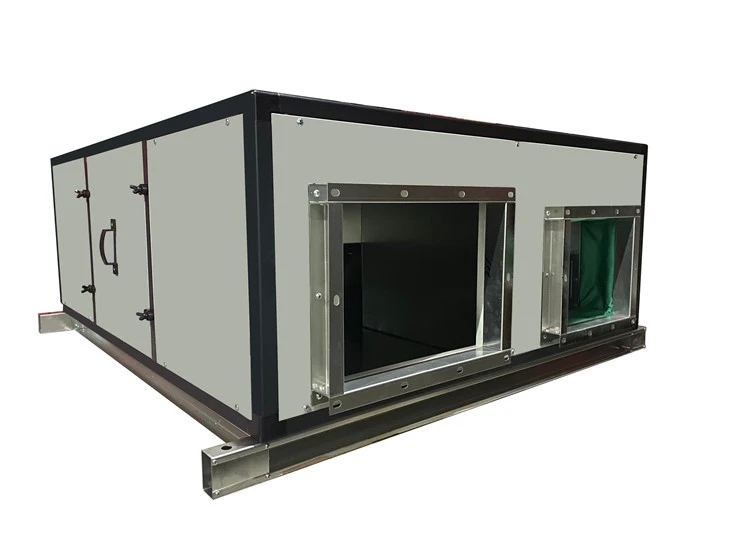
Overview
A Heat Recovery Ventilator (HRV) is an advanced ventilation system designed to enhance indoor air quality while improving energy efficiency. During the ventilation process, it captures heat from the outgoing stale air and transfers it to the incoming fresh air, reducing heat loss and lowering the overall energy consumption of the HVAC system.
Usually integrated into building ventilation systems, HRVs provide a continuous supply of fresh air while maintaining indoor comfort. They are widely used in residential buildings, commercial facilities, offices, hospitals, and industrial environments where effective air exchange and energy-saving operation are required. By balancing ventilation efficiency and thermal recovery performance, HRV systems help create healthier, more comfortable, and sustainable indoor spaces.


Parameters
|
Model |
Unit |
D10 |
D15 |
D20 |
D25 |
D30 |
D35 |
D40 |
D45 |
D50 |
D60 |
D70 |
D80 |
D90 |
D100 |
D120 |
|
Air volume |
m³/h |
1000 |
1500 |
2000 |
2500 |
3000 |
3500 |
4000 |
4500 |
5000 |
6000 |
7000 |
8000 |
9000 |
10000 |
12000 |
|
Power supply |
V/Hz |
380/50 |
||||||||||||||
|
Rated power |
KW |
0.18×2 |
0.22×2 |
0.37×2 |
0.45×2 |
0.55×2 |
0.65×2 |
0.9×2 |
1.2×2 |
1.37×2 |
1.65×2 |
2.2×2 |
2.8×2 |
3.5×2 |
3.5×2 |
4.5×2 |
|
Air pressure |
Pa |
100 |
120 |
175 |
200 |
250 |
250 |
300 |
300 |
300 |
350 |
400 |
400 |
500 |
500 |
500 |
|
recovery efficiency |
% |
75 |
75 |
75 |
75 |
75 |
75 |
75 |
75 |
75 |
75 |
75 |
75 |
75 |
75 |
75 |
|
Noise |
dB(A) |
50 |
54 |
56 |
58 |
60 |
60 |
62 |
62 |
62 |
64 |
64 |
64 |
68 |
68 |
75 |
Unit size
|
Model |
L |
W |
H |
A |
B |
Air outlet |
Return air vent口 |
||
|
C |
D |
E |
E |
||||||
|
AXH-D10 |
1150 |
1030 |
460 |
1210 |
980 |
190 |
120 |
250 |
200 |
|
AXH-D15 |
1150 |
1030 |
460 |
1210 |
980 |
230 |
120 |
300 |
200 |
|
AXH-D20 |
1230 |
1030 |
530 |
1290 |
980 |
260 |
150 |
320 |
250 |
|
AXH-D25 |
1400 |
1230 |
530 |
1460 |
1180 |
290 |
150 |
400 |
250 |
|
AXH-D30 |
1450 |
1230 |
530 |
1510 |
1180 |
300 |
150 |
400 |
300 |
|
AXH-D35 |
1540 |
1300 |
530 |
1600 |
1250 |
370 |
150 |
450 |
300 |
|
AXH-D40 |
1600 |
1300 |
530 |
1660 |
1250 |
380 |
150 |
450 |
300 |
|
AXH-D45 |
1650 |
1500 |
620 |
1710 |
1450 |
270 |
220 |
500 |
300 |
Advantages
- Enhanced Indoor Air Quality: HRV systems provide continuous fresh air circulation by replacing stale indoor air with filtered outdoor air while recovering heat energy. This process helps reduce pollutants, unpleasant odors, dust, and allergens, creating a cleaner and healthier indoor environment.
- High Energy Efficiency: By transferring heat between exhaust air and incoming fresh air, HRVs minimize energy loss during ventilation. This reduces the demand on heating and cooling equipment, improving overall HVAC efficiency and lowering energy consumption.
- Lower Operating Costs: The energy-saving performance of HRV systems helps reduce daily utility expenses. For commercial buildings, this means improved energy management and long-term financial benefits.
- Effective Humidity Management: HRVs assist in maintaining balanced indoor humidity by exchanging moisture between outgoing and incoming air streams. This helps prevent excessive humidity, condensation, and mold-related problems while improving indoor comfort.
- Stable Temperature Control: Through heat recovery technology, HRVs pre-condition incoming fresh air before it enters the building. This helps maintain more consistent indoor temperatures and provides a more comfortable environment for occupants.
- Reduced HVAC Workload: By recovering energy from exhausted air, HRV systems decrease the heating and cooling load placed on HVAC equipment. This can improve system durability, reduce maintenance requirements, and extend equipment service life.
- Meeting Energy Standards: With increasing requirements for green buildings and energy-efficient designs, HRV systems support compliance with modern ventilation regulations and sustainability standards.
- Environmental Sustainability: By improving energy efficiency and reducing unnecessary energy consumption, HRVs help lower carbon emissions and support environmentally responsible building operations.
details


FAQ
Q: Do you accept custom size designs?
Q: Can you print our company's logo on nameplates and packaging?
Q: Do you have a showroom?
Q: Can you customize products for customers?
Q: When was your factory established?
Q: What are your main markets?
Hot Tags: hrv heat recovery ventilation system, China hrv heat recovery ventilation system manufacturers, suppliers, factory, heat recovery ventilator, Industrial Heat Recovery Ventilator, ventilation in airports, ventilation in museums, ventilation in retail residential buildings, ventilation in theaters


