

Hey there, folks! As a supplier of Horizontal Fan Coil Units, I've seen my fair share of issues when these things don't work right. So, in this blog, I'm gonna walk you through how to troubleshoot a Horizontal Fan Coil Unit when it's acting up.
General Checks First
Let's start with the basic stuff. When you notice that your Horizontal Fan Coil Unit isn't working properly, the first thing you should do is check the power supply. Sounds simple, but you'd be surprised how many times a loose plug or a tripped circuit breaker is the culprit. Make sure the unit is properly plugged in and that the circuit breaker in your electrical panel is in the "on" position. If it's tripped, reset it. But if it keeps tripping, there might be a more serious electrical issue going on.

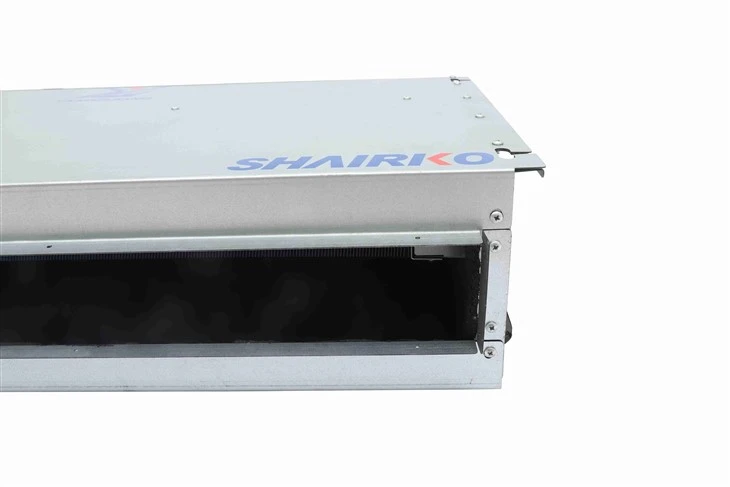
Another general check is to look at the thermostat settings. Sometimes, the problem isn't with the unit itself but with the settings. Make sure the thermostat is set to the right mode, whether it's cooling, heating, or fan-only. Also, check the temperature setting. If it's set too close to the current room temperature, the unit might not kick on.
Airflow Problems
One of the most common issues with Horizontal Fan Coil Units is airflow problems. If you're not getting enough air blowing out of the unit, there are a few things you can check.
First, check the air filter. A dirty air filter can restrict airflow, making the unit work less efficiently or not at all. Most Horizontal Fan Coil Units have an accessible air filter that you can easily remove. If it's dirty, clean or replace it. A good rule of thumb is to check the air filter every month or two, depending on how often the unit is used.
Next, look at the air vents. Make sure they're not blocked by furniture, curtains, or anything else. Blocked air vents can reduce airflow and cause the unit to overheat. If you find any blockages, move the obstruction and see if the airflow improves.
If the air filter and vents are clear, but you're still having airflow problems, the fan might be the issue. Check to see if the fan is running. If it's not, there could be a problem with the fan motor. You can try to check the motor for any visible damage, such as loose wires or a burnt smell. If you're not comfortable doing this yourself, it's best to call a professional.
Refrigerant Issues
Refrigerant is what makes your Horizontal Fan Coil Unit cool the air. If there's a problem with the refrigerant, the unit won't work properly. One sign of a refrigerant issue is if the unit is blowing warm air when it should be cooling.
The first thing you should do if you suspect a refrigerant problem is to check for any visible leaks. Look around the unit for any signs of refrigerant, such as oily spots or frost. If you find a leak, it's important to have it repaired as soon as possible. Refrigerant leaks not only affect the performance of the unit but can also be harmful to the environment.
However, checking for refrigerant leaks and adding refrigerant is a job for a professional. Refrigerant is a controlled substance, and you need special equipment and training to handle it safely. So, if you think there's a refrigerant issue, don't try to fix it yourself. Call a qualified HVAC technician.
Water Leakage Problems
Water leakage is another common problem with Horizontal Fan Coil Units. If you notice water pooling around the unit, there are a few possible causes.
One cause could be a clogged condensate drain line. The condensate drain line is responsible for removing the water that collects in the unit as it cools the air. Over time, this line can get clogged with dirt, debris, or mold. If the drain line is clogged, the water can't drain properly, and it will start to leak.
To check if the condensate drain line is clogged, you can try to flush it with a mixture of water and vinegar. If that doesn't work, you might need to use a drain snake to clear the blockage. If you're not comfortable doing this yourself, call a professional.
Another possible cause of water leakage is a damaged condensate pan. The condensate pan is located under the unit and collects the water that drains from the unit. If the pan is cracked or damaged, the water will leak out. If you find a damaged condensate pan, you'll need to replace it.
Noise Issues
If your Horizontal Fan Coil Unit is making a lot of noise, it can be annoying and a sign of a problem. There are several possible causes of noise issues.
One cause could be loose parts. Over time, the vibrations from the unit can cause screws and other parts to become loose. Check the unit for any loose parts and tighten them if necessary.
Another cause could be a problem with the fan. A damaged or unbalanced fan can make a lot of noise. Check the fan for any visible damage, such as bent blades. If the fan is damaged, you'll need to replace it.
If the noise is coming from the motor, it could be a sign of a more serious problem. The motor might be worn out or have a mechanical issue. In this case, it's best to call a professional to diagnose and repair the problem.
Other Types of Fan Coil Units
Before we wrap up, I want to mention some other types of fan coil units that you might be interested in. We also supply Concealed Fan Coil Unit, Concealed Horizontal Fan Coil Unit, Four Pipe Fan Coil Unit, Wall Mounted Fan Coil Unit, and Ceiling Mounted Fan Coil Unit. These units have their own unique features and benefits, so if you're in the market for a new fan coil unit, be sure to check them out.
Conclusion
Well, that's it for our troubleshooting guide for Horizontal Fan Coil Units. I hope this information has been helpful to you. If you're having trouble with your unit and can't figure out the problem, don't hesitate to reach out. As a supplier, we have a team of experts who can help you diagnose and fix the issue. Whether you need a replacement part or a brand-new unit, we've got you covered. So, if you're in the market for a Horizontal Fan Coil Unit or need some help with troubleshooting, feel free to contact us for a purchase negotiation.
References
- HVAC Troubleshooting Handbook
- Fan Coil Unit Installation and Maintenance Guide