


Company Profile
"Shairko" originated from Europe. It was established in Shanghai in 2010 and is committed to growing into an expert in cleanliness and temperature and humidity solutions. The company mainly produces: air conditioning boxes, fan coil units, heat recovery fresh air air handling units, and purification equipment. With two major laboratories and over 10 independent innovation patents, Airko boasts strong research and development capabilities. With an independent large-scale technology research and development center and a strong scientific research team, we independently develop and produce innovative products, obtaining over 10 utility patents.
Why Choose Us
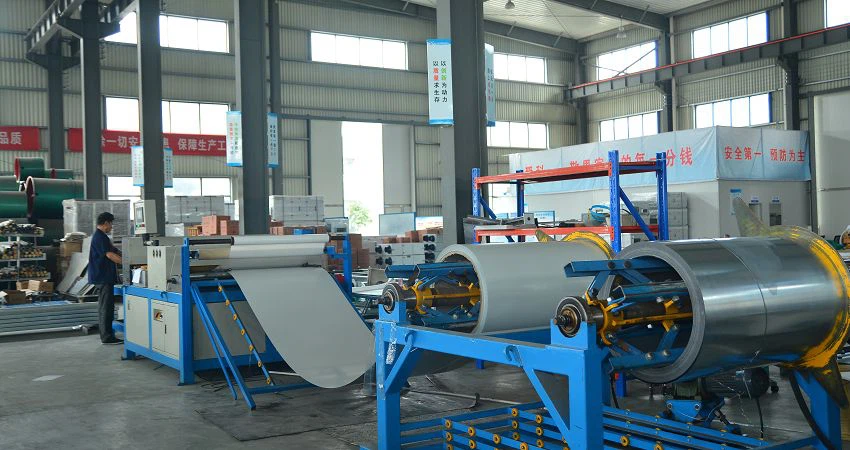
Our factory
"Shairko" originated from Europe. It was established in Shanghai in 2010 and is committed to growing into an expert in cleanliness and temperature and humidity solutions. The company mainly produces: air conditioning boxes, fan coil units, heat recovery fresh air air handling units, and purification equipment.
R&D
With two major laboratories and over 10 independent innovation patents, Airko boasts strong research and development capabilities. With an independent large-scale technology research and development center and a strong scientific research team, we independently develop and produce innovative products, obtaining over 10 utility patents.
Applications in various area
Air conditioning units play a vital role in the pharmaceutical industry, ensuring controlled environments necessary for production and storage of medicines. Air conditioning units are crucial in the electronics industry, ensuring stable and reliable production environments to guarantee the quality and performance of electronic products. Air conditioning units are crucial in schools, providing a comfortable, safe, and healthy environment for students and staff.
Our service
Configuring solutions based on customer requirements for temperature, humidity, and cleanliness, and provides variable frequency design. 24-hour online service, five-year warranty.

Air Handling Unit (AHU) is a crucial component of heating, ventilation, and air conditioning (HVAC) systems, responsible for regulating and circulating air.

Air Handling Unit (AHU) is a crucial component of heating, ventilation, and air conditioning (HVAC) systems, responsible for regulating and circulating air.
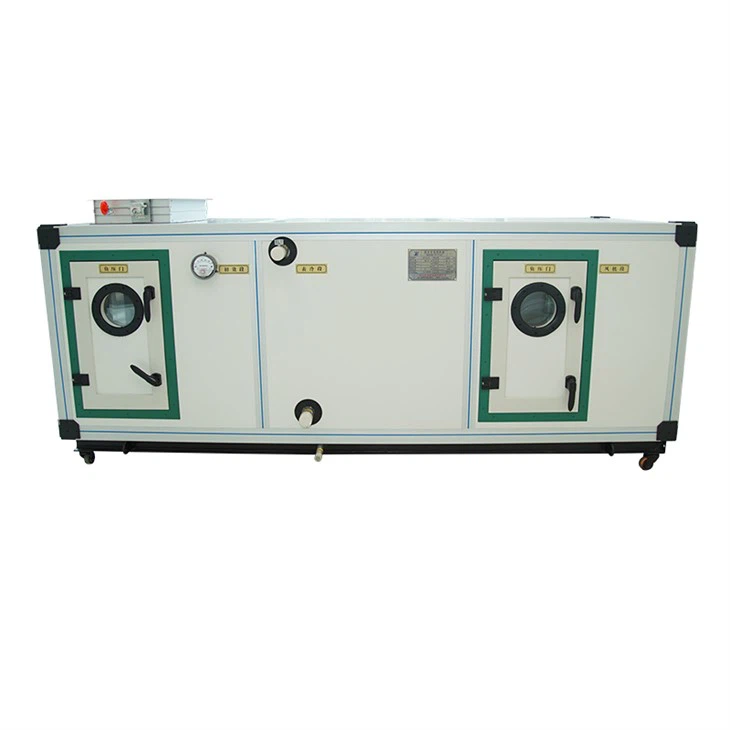
Commercial Air Handling Unit (AHU) is a vital component of heating, ventilation, and air conditioning (HVAC) systems designed specifically for commercial buildings.

The Industrial Air Handling Unit is a critical equipment in industrial environments, used for air handling and maintaining indoor environmental comfort and suitability.

The Indoor Air Handling Unit, commonly known as AHU, is a fundamental component of heating, ventilation, and air conditioning (HVAC) systems designed for indoor environments.

A Packaged Air Handling Unit (AHU) is a self-contained HVAC system designed to provide heating, ventilation, and air conditioning (HVAC) functions in a single unit.

A Modular Air Handling Unit (AHU) is a versatile HVAC system designed to provide heating, ventilation, and air conditioning (HVAC) functions in a modular and flexible manner.

Ceiling Mounted Air Handling Unit
A ceiling-mounted air handling unit (AHU) is a compact HVAC system designed to provide heating, ventilation, and air conditioning functions in buildings where space is limited or where a centralized HVAC system is not feasible.
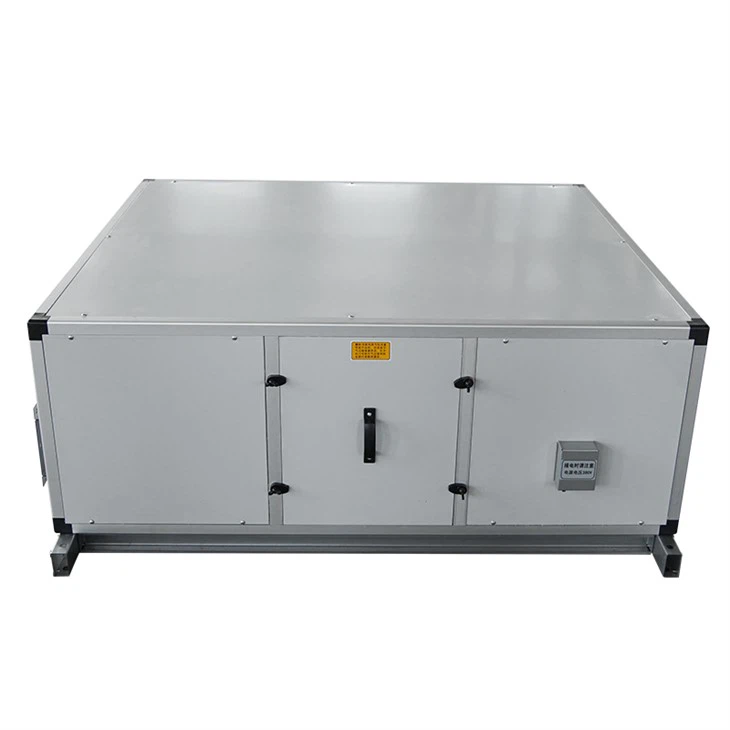
A Fresh Air Ventilation Unit is an essential component of HVAC systems designed to introduce fresh outdoor air into indoor spaces while simultaneously exhausting stale air.
What Is Modular Air Handling Unit
The air handling unit (AHU) is a centralized air handling system, which originated from the forced hot air heating and ventilation system where the equipment is centralized and the heated air is distributed through the air duct. The basic centralized system is an all-air single-zone system that generally includes fans, heaters, coolers, and filters. The AHU mentioned here refers to the primary return air system. Its basic working process is: after the fresh air from the outside is mixed with part of the indoor return air, the dust, smoke, black smoke and organic particles in the air are filtered out through the filter. The clean air is sent to the cooler or heater through the fan for cooling or heating to a level that makes people feel comfortable and suitable, and then sent into the room. The air conditioning process changes according to winter and summer seasons, and the conditioning process of a typical centralized air treatment system is also different.
Advantages of Modular Air Handling Unit
Flexibility
Modular AHUs feature exceptional flexibility with their adjustable modular construction devices. They have flexible connectors interconnected by anti-vibration material like galvanized steel and polyethylene tape reinforced with polyamide textile cloth.
Easy installation
The installation process of an AHU is relatively simple as it features compact housing and adaptability to the building entrance conditions as well as simplicity of interconnection into a set inside or outside the housing.
Energy efficient
A modular air handling unit has an energy efficient housing with improved thermal bridges and a thermal transmittance class suitable for changing applications. Heat recovery units also feature energy efficient functioning that mixes outdoor and indoor air so that when it reaches the coil the temperature difference is lower which conserves more energy and lowers the climatic contribution.
Anti-corrosive
The material of the powder-coating used to make an AHU contains an anticorrosive property that protects it from damage and extends its lifespan. The materials that AHUs are made off include galvanized sheet steel, powder-coated sheet steel and aluzinc.
Here Are Some Characteristics of Modular Air Handling Unit
Customization
Modular AHUs can be customized in almost every aspect, including size, capacity, component types, and configuration. This makes them suitable for applications with unique or complex requirements.
Scalability
A significant advantage of modular AHUs is their scalability. They can be designed to allow for future expansion or reconfiguration, adapting to changes in building use or occupancy without the need for complete replacement.
Performance
With the ability to tailor components and configurations, modular AHUs can achieve optimal performance for specific environments, potentially leading to better air quality and energy efficiency.
Cost
The bespoke nature of modular AHUs means they are generally more expensive than compact units. This includes higher initial costs for design, manufacturing, and installation, as well as potentially higher maintenance costs due to the complexity of the customized components.
It can also be dismantled easily to be cleaned and contains the following components.
Air intake
Air handling units gather air from the outdoors, treat it and then let out the recycled air into the building rooms.
Filter
The filter can be set to a high or low particle retention depending on the hygienic requirements of the industry.
Fan
It powers the air with an electromechanical system that distributes purified air throughout the rooms.
Heat exchangers
This device transfers temperature between the coolant and air.
Cooling coil
Air passes through the cooling coil and collects water droplets which are separated with a built-in droplet separator which is then disposed of in a condensate tray.
Silencer
A coating called silencer reduces the noise while installing the unit.
Plenums
These are empty spaces in which the air flow is homogenized.

Modular air handling units operate by moving air through a series of components that condition the air to meet the desired indoor climate requirements. Here's a step-by-step breakdown of the process:
Air Intake
Outside air or return air is drawn into the unit through dampers and filters.
Air Filtration
The air passes through various filters, which can range from basic particulate filters to advanced HEPA filters, depending on the application.
Heating/Cooling Coils
The air is then heated or cooled by passing over coils that contain either hot water, steam, or chilled water, depending on the season and the specific climate control needs.
Humidification/Dehumidification
Depending on the indoor environment's requirements, the air may be humidified or dehumidified.
Air Distribution
Finally, the conditioned air is distributed throughout the building via a duct system.
Modular air handling units are versatile and can be used across various industries and building types. Here are some common applications:
Commercial Buildings
In office buildings, shopping centers, and hotels, modular air handling units provide efficient climate control and air quality management. Their compact design makes them ideal for buildings with limited mechanical room space.
Industrial Facilities
Factories and warehouses often have unique HVAC requirements due to large open spaces, high ceilings, and varying heat loads. Modular units can be customized to meet these specific needs, ensuring consistent temperature and air quality throughout the facility.
Healthcare Facilities
Hospitals and clinics require stringent air quality controls to prevent the spread of airborne pathogens. Modular air handling units can be equipped with advanced filtration systems and UV-C lights to ensure a sterile environment.
Educational Institutions
Schools and universities benefit from the flexibility and energy efficiency of modular air handling units. These systems can be designed to handle the fluctuating occupancy levels and diverse climate control needs of educational buildings.
Residential Complexes
In multi-family residential buildings, modular air handling units provide an efficient and space-saving solution for heating, cooling, and air purification. Their quiet operation and adaptability make them a popular choice for residential applications.
Selecting the Right Modular Air Handling Unit
Choosing the right modular air handling unit requires a thorough understanding of the specific needs of the building or application. Here are some tips to help guide the selection process:
Consult with an HVAC Specialist
Working with an experienced HVAC specialist can help ensure that the selected MAHU meets all performance and efficiency requirements. They can provide valuable insights into the latest technologies and best practices.
Consider the Total Cost of Ownership
While the initial cost is important, it's crucial to consider the total cost of ownership, including energy consumption, maintenance, and potential future upgrades. A more efficient unit might have a higher upfront cost but will likely result in lower operational costs over time.
Evaluate the Manufacturer's Reputation
Not all modular air handling units are created equal. Look for units from reputable manufacturers known for quality, reliability, and customer support. Check for warranties and after-sales service options as well.
"Shairko" originated from Europe. It was established in Shanghai in 2010 and is committed to growing into an expert in cleanliness and temperature and humidity solutions. The company mainly produces: air conditioning boxes, fan coil units, heat recovery fresh air air handling units, and purification equipment. With two major laboratories and over 10 independent innovation patents, Airko boasts strong research and development capabilities. With an independent large-scale technology research and development center and a strong scientific research team, we independently develop and produce innovative products, obtaining over 10 utility patents. Air conditioning units play a vital role in the pharmaceutical industry, ensuring controlled environments necessary for production and storage of medicines. Air conditioning units are crucial in the electronics industry, ensuring stable and reliable production environments to guarantee the quality and performance of electronic products. Air conditioning units are crucial in schools, providing a comfortable, safe, and healthy environment for students and staff.



FAQ
Hot Tags: ceiling mount air handler, China ceiling mount air handler manufacturers, suppliers, factory, exciting products, cool commodities, attractive items, trendy items, high quality products, practical products


